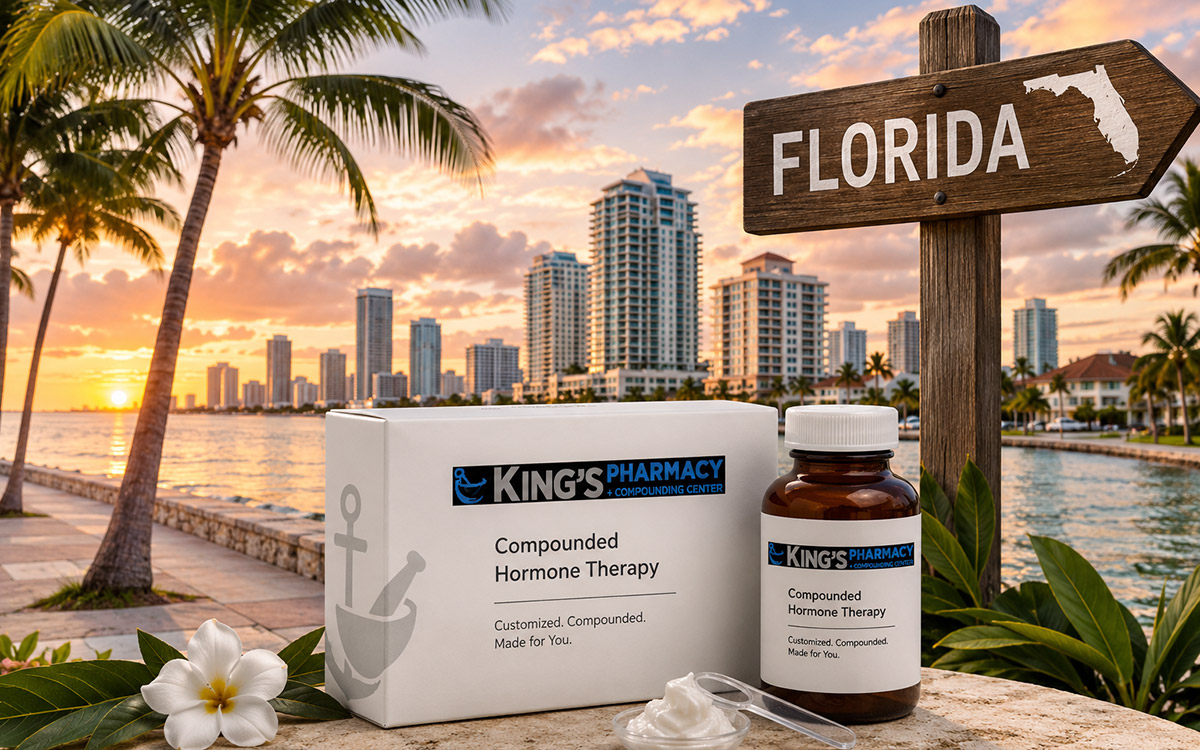
Exploring How Customized Medications Support Individualized Care When Standard Options May Not Be Suitable.
Every patient is different. While commercially manufactured medications effectively meet the needs of many individuals, some patients face challenges that standard treatments cannot easily address. Allergies to inactive ingredients, difficulty swallowing pills, unique dosage requirements, or the need for alternative medication forms are just a few examples of situations where a more personalized approach may be beneficial.
Compounding pharmacies play an important role in modern healthcare by preparing customized medications tailored to the specific instructions of a licensed healthcare provider. Instead of relying solely on generic solutions, compounding allows healthcare teams to consider individual patient circumstances when developing treatment plans.
As personalized medicine continues to gain momentum, more patients and providers are exploring how compounding may help address unique healthcare needs. Understanding the role of compounding and the situations in which it may be appropriate can help patients make informed decisions alongside their healthcare providers.
“Compounding recognizes that when patients have unique needs, individualized medication solutions may offer additional options beyond commercially available products.”
What Is Pharmaceutical Compounding?
Pharmaceutical compounding is the process of preparing customized medications based on a prescription from a licensed healthcare provider.
Compounded medications meet specific patient needs that commercially manufactured products may not address.
Compounding may involve:
- Adjusting medication strengths
- Preparing alternative dosage forms
- Combining ingredients when appropriate
- Excluding certain inactive ingredients
- Creating formulations tailored to individual requirements
Compounding pharmacies follow specialized procedures and quality standards to prepare these individualized medications.
The goal is to support patient-centered care by offering flexibility when standard formulations may not be suitable.
Why Some Patients Have Unique Healthcare Needs
Healthcare differs for each person. Various factors can influence whether commercially available medications meet a patient’s needs.
Age and Developmental Considerations
Children and older adults often have healthcare needs that differ from those of the general adult population.
For example:
- Children may require smaller dosages based on body weight.
- Older adults may need dose adjustments due to age-related physiological changes.
- Some individuals may struggle with swallowing traditional tablets or capsules.
These situations may warrant discussions about personalized medication options.
Allergies and Sensitivities
Certain patients experience sensitivities or allergies to inactive ingredients commonly found in manufactured medications.
Examples may include sensitivities to:
- Dyes
- Preservatives
- Lactose
- Gluten-containing ingredients
- Other excipients
Healthcare providers may consider alternative formulations when appropriate.
Unique Dosage Requirements
Standard medication strengths do not always align with every patient’s treatment plan.
Some individuals may require:
- Lower strengths
- Intermediate doses not commercially available
- Customized titration schedules
- Personalized dosing adjustments
Compounding may provide additional flexibility in these situations.
Preferences Regarding Dosage Forms
Some patients have difficulty using certain medication forms.
Examples include:
- Difficulty swallowing pills
- Aversion to particular flavors
- Need for topical applications
- Challenges administering medications to children or older adults
Alternative dosage forms may improve convenience and usability.
How Compounding Supports Personalized Care
Compounding pharmacists work alongside healthcare providers to prepare medications based on individual prescriptions.
Several aspects of compounding support personalized healthcare approaches.
Customized Medication Strengths
Commercially manufactured medications are available only in predetermined strengths.
Compounding may allow prescribers to request strengths tailored to individual patient needs.
This flexibility may support:
- Gradual dosage adjustments
- Pediatric dosing considerations
- Personalized treatment protocols
Customized strengths help providers align therapy with specific patient circumstances.
Alternative Dosage Forms
Compounding may provide medications in forms that better suit individual preferences or needs.
Examples include:
- Oral suspensions
- Topical creams and gels
- Suppositories
- Sublingual preparations
- Transdermal formulations
Alternative dosage forms may improve practicality for certain patients.
Allergen-Conscious Formulations
Patients with sensitivities to certain inactive ingredients may discuss options with their healthcare providers.
When clinically appropriate, compounded medications may be prepared without selected ingredients specified by the prescriber.
This individualized approach supports patients with unique formulation considerations.
“Personalized healthcare often requires flexibility, and compounding expands the options available to patients and providers.”
Patient Populations That May Benefit From Compounding
Although every patient situation is unique, several groups commonly explore compounded medication options.
Pediatric Patients
Children often have specialized medication needs.
Compounding may support pediatric care by addressing:
- Weight-based dosing requirements
- Child-friendly dosage forms
- Flavor customization when appropriate
- Alternative administration methods
These accommodations may improve the overall treatment experience.
Older Adults
Older adults frequently manage multiple health conditions and medications.
Compounding may help support individualized care by offering:
- Customized strengths
- Alternative dosage forms
- Simplified medication regimens
Healthcare providers consider numerous factors when developing treatment plans for aging populations.
Patients With Hormone-Related Needs
Healthcare providers sometimes prescribe customized hormone formulations based on individual patient assessments and treatment goals.
Compounding offers flexibility in preparing prescribed formulations tailored to provider specifications.
Individuals With Ingredient Sensitivities
Patients seeking to avoid specific inactive ingredients may discuss potential options with their healthcare providers and pharmacists.
Compounding may provide alternatives when appropriate and prescribed.
The Importance of Collaboration in Compounded Care
Successful personalized treatment often involves communication among multiple members of the healthcare team.
The Role of Healthcare Providers
Prescribers evaluate:
- Medical history
- Current symptoms
- Treatment objectives
- Appropriate therapeutic options
They determine whether compounded medications may be suitable for individual patients.
The Role of Compounding Pharmacists
Compounding pharmacists:
- Review prescriptions carefully
- Prepare customized medications
- Communicate with providers when clarification is needed
- Support patient education regarding medication use
Their expertise contributes to individualized care planning.
The Role of Patients
Patients should share important information regarding:
- Medication experiences
- Allergies and sensitivities
- Administration challenges
- Questions about treatment options
Open communication helps support informed healthcare decisions.
Understanding the Growing Interest in Personalized Medicine
The increasing popularity of personalized medicine reflects a broader shift toward patient-centered healthcare.
Patients today often seek the following:
- Greater involvement in healthcare decisions
- Treatments tailored to individual circumstances
- Improved convenience and flexibility
- Solutions that recognize personal preferences and needs
Compounding aligns with these evolving expectations by offering customized medication options when prescribed by healthcare providers.
As awareness grows, personalized approaches continue to expand across various areas of healthcare.
Frequently Asked Questions
What is a compounded medication?
A compounded medication is a customized preparation created by a pharmacist pursuant to a prescription from a licensed healthcare provider to address specific patient needs.
Who may benefit from compounded medications?
Patients with unique dosage requirements, allergies to inactive ingredients, difficulty swallowing medications, or other individualized considerations may discuss compounded options with their healthcare providers.
Are compounded medications FDA-approved?
Compounded medications are not FDA-approved in the same manner as commercially manufactured drugs. They are prepared by licensed compounding pharmacies pursuant to individual prescriptions.
Can compounded medications be made without certain inactive ingredients?
In some cases, healthcare providers may prescribe compounded formulations that exclude selected inactive ingredients when clinically appropriate.
Do I need a prescription for a compounded medication?
Yes. Compounded medications require a valid prescription from a licensed healthcare provider.
Supporting Unique Healthcare Needs Through Personalized Solutions
Every patient’s healthcare journey is different. While commercially available medications serve many individuals effectively, others may benefit from more personalized approaches that consider unique circumstances, preferences, and treatment goals.
Compounding pharmacies help support individualized care by preparing customized medications prescribed specifically for each patient. Whether addressing dosage needs, alternative dosage forms, or ingredient considerations, compounding expands the range of options available within patient-centered healthcare.
If you would like to learn more about personalized compounding services, King’s Pharmacy & Compounding Center works closely with patients and healthcare providers to support unique healthcare needs through customized medication solutions. Contact King’s Pharmacy today to discover how compounding may complement your individualized care plan.