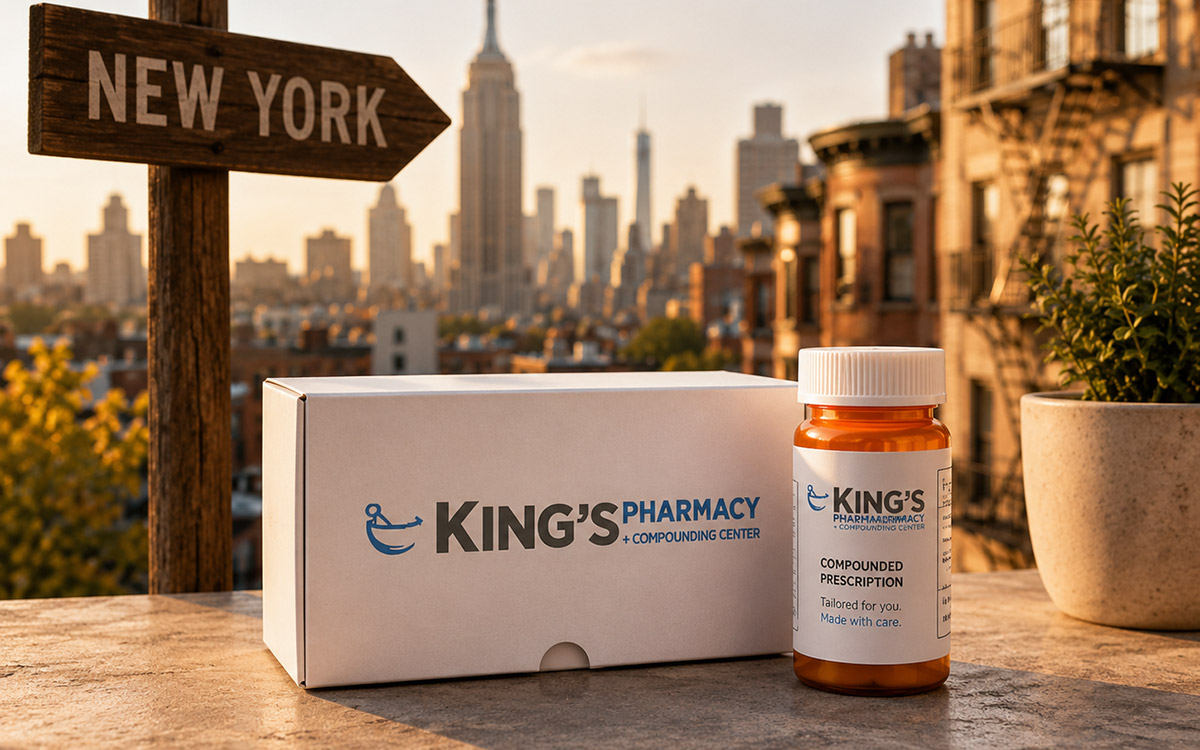
Learn how customized medications can support individualized wellness plans when standard prescriptions do not fully meet a patient’s needs.
Modern wellness is becoming more personalized. Patients are no longer looking only for quick, one-size-fits-all solutions. Many are working with healthcare providers to build long-term plans that consider lifestyle, nutrition, hormones, allergies, sensitivities, chronic conditions, age, treatment tolerance, and individual health goals. In this more customized model of care, medication support often needs to be just as individualized as the wellness plan itself.
That is where compounding plays an important role.
Compounding is the preparation of a customized medication for an individual patient when a commercially available medication does not fully meet that patient’s needs. The FDA describes compounding as combining, mixing, or altering ingredients to create a medication tailored to an individual patient. Compounded medications are not FDA-approved like commercially manufactured drugs, so the FDA does not review them for safety, effectiveness, or quality before they are marketed. However, the FDA recognizes that compounded medications can meet important medical needs for certain patients when used appropriately under professional oversight.
For patients following modern wellness plans, compounding may help align a provider’s clinical goals with a patient’s ability to follow treatment in practice. A patient may need a different dosage strength, an alternative delivery form, a medication without a specific inactive ingredient, or a formulation that is easier to tolerate over time. These details can significantly affect adherence, comfort, and consistency.
At King’s Pharmacy & Compounding Center in Irvine, customized medication support is part of a broader commitment to patient-centered care, functional medicine collaboration, and carefully prepared prescriptions designed around individual needs.
“A wellness plan is only effective when the patient can actually follow it consistently. Compounding helps make treatment more practical, personal, and sustainable.”
Personalized Wellness Requires Personalized Medication Support
Modern wellness plans often involve more than treating a single symptom. Many patients work with physicians, functional medicine practitioners, specialists, and pharmacists to address interconnected health concerns over time. These plans may include hormone support, thyroid care, low-dose naltrexone protocols, pediatric medications, mast cell activation support, ENT or otic therapies, allergen-free formulations, nutritional guidance, and other individualized approaches.
In this type of care model, medication details matter.
A standard medication may be effective in theory, but not ideal for a specific patient in practice. The available commercial strength may be too high or too low. The tablet may be difficult to swallow. A capsule may contain an excipient that triggers sensitivity. A child may refuse a medication because of taste or texture. A senior may need a preparation that is easier to administer. A long-term patient may need a gradual dosage adjustment that is not available in manufactured forms.
Compounding allows the pharmacist, prescriber, and patient to address these practical barriers.
This does not mean compounded medications replace FDA-approved drugs whenever a patient prefers something different. Often, FDA-approved medications remain the appropriate first option. Compounding becomes valuable when a licensed prescriber identifies a specific patient need that a commercially available product cannot meet adequately.
That distinction is important. Responsible compounding is not about bypassing standard care. It is about supporting individualized care when standard options do not fit the patient’s clinical or practical needs.
Helping Patients Stay Consistent With Long-Term Plans
Consistency is one of the most important factors in any wellness plan. Even the best-designed treatment plan can fail if the patient cannot follow it consistently.
Many issues can affect medication adherence, including side effects, difficulty swallowing, inconvenient dosing schedules, taste aversion, ingredient sensitivities, or frustration with unavailable strengths. These challenges may seem small, but over time, they can lead patients to skip doses, stop treatment early, or lose confidence in their care plan.
Compounding can help address some of these barriers by making medication use more manageable.
For example, a patient who cannot tolerate a certain filler may benefit from a formulation prepared without that ingredient when appropriate. Someone who struggles with tablets may need a liquid, topical, troche, or capsule alternative. A patient requiring careful dose adjustments may benefit from a customized strength that supports gradual titration under prescriber supervision.
In long-term wellness plans, these details can make a meaningful difference. A medication that fits the patient’s lifestyle and tolerance is more likely to be used correctly and consistently.
This is especially important for patients managing chronic or ongoing health goals. Whether a provider is supporting hormone balance, thyroid function, pediatric care, dermatologic needs, or other wellness-related concerns, the treatment plan must remain practical enough for daily life.
King’s Pharmacy & Compounding Center works closely with patients and healthcare providers to help create medication options that support adherence while staying aligned with the prescriber’s instructions.
Alternative Dosage Forms Can Improve Patient Experience
One of the most recognized benefits of compounding is the ability to create alternative medication forms.
Commercial medications are often available in limited formats, such as tablets, capsules, creams, or liquids. While these options work well for many patients, they are not ideal for everyone.
Some patients cannot swallow pills comfortably. Others experience gastrointestinal discomfort with certain oral medications. Children may need flavored liquids or smaller doses. Seniors may need easier administration methods. Patients with specific wellness plans may benefit from topical, sublingual, or other specialized delivery forms when clinically appropriate.
Compounding may allow medications to be prepared in forms such as:
- Capsules
- Oral liquids
- Topical creams or gels
- Troches
- Suppositories
- Nasal preparations
- Otic preparations
- Dye-free or preservative-free formulas
- Allergen-conscious preparations
The appropriate form depends on the medication, the patient’s needs, the prescriber’s goals, and safety considerations.
Alternative forms can be particularly helpful in pediatric and senior care. A child who refuses a bitter tablet may do better with a flavored liquid. An older adult with swallowing difficulty may need a different route of administration. A patient with skin-related treatment goals may benefit from a topical preparation designed for localized use.
By making medication easier to take, compounding can support the patient’s ability to stay engaged with the wellness plan.
Supporting Patients With Sensitivities and Ingredient Concerns
Modern wellness plans often pay close attention to sensitivities, allergies, and inactive ingredients.
Many commercial medications contain excipients such as dyes, preservatives, lactose, gluten-containing ingredients, flavoring agents, binders, or fillers. These ingredients are inactive from a therapeutic standpoint, but they may still matter for certain patients.
A patient with a documented allergy or sensitivity may not tolerate a standard commercial product. Another patient may be working with a provider to avoid certain ingredients as part of a broader wellness plan. In these cases, compounding may help by allowing the pharmacy to prepare a formulation without selected ingredients when appropriate and feasible.
This is one of the reasons allergen-conscious and preservative-free medication options have become an important part of modern compounding.
However, it is also important to approach these requests carefully. Not every ingredient concern requires a compounded medication, and not every medication can be safely prepared without certain components. Pharmacists must consider stability, compatibility, dosing accuracy, and the prescriber’s clinical intent.
A knowledgeable compounding pharmacy can help evaluate what is possible while maintaining a strong focus on safety and quality.
For patients who have struggled with commercially available medications because of ingredient concerns, this level of customization may provide an important path forward.
“Customization is not only about changing the dose. Sometimes it is about removing barriers that prevent a patient from staying with treatment.”
The Connection Between Compounding and Functional Medicine
Functional medicine often takes a systems-based view of health, looking at underlying contributors, lifestyle factors, lab data, nutrition, inflammation, hormones, gut health, metabolic function, and long-term wellness goals.
Because this approach is highly individualized, functional medicine providers may need medication support that is more flexible than standard manufactured options.
Compounding pharmacies can play a valuable role in this collaborative care model.
For example, a functional medicine provider may prescribe a customized hormone preparation, request a specific thyroid dosage, recommend low-dose naltrexone in a strength not commercially available, or require an allergen-conscious formula for a sensitive patient. The pharmacy’s role is to prepare the medication according to the prescription while communicating with the provider when formulation details require clarification.
King’s Pharmacy & Compounding Center also partners with Eagle Analytics, supporting patients and providers who value a more comprehensive approach to health data, wellness planning, and individualized care.
This connection between pharmacy services and functional medicine does not replace medical diagnosis or treatment. Instead, it strengthens the support system around the patient by helping translate personalized clinical recommendations into practical medication solutions.
When providers and pharmacists communicate effectively, patients benefit from a more coordinated experience.
Quality, Safety, and Trust Matter in Compounding
Because compounded medications are customized, patients should carefully choose their compounding pharmacy.
The FDA notes that compounded drugs are not FDA-approved and therefore are not reviewed by the agency for safety, effectiveness, or quality before they are marketed. This makes professional standards, pharmacy oversight, and responsible practices especially important.
Accreditation can be an important trust signal. The National Association of Boards of Pharmacy states that its Compounding Pharmacy Accreditation is designed for licensed pharmacies actively compounding and reflects dedication to reducing risks associated with compounding practices and medication safety. NABP also notes that its accreditation programs help support quality, safety, and patient protection.
USP standards also play a major role in pharmacy compounding. NABP explains that USP Chapters <795> and <797> set standards for preparing nonsterile and sterile compounded medications, with revisions that became official on November 1, 2023.
For patients, these details matter because compounding requires precision. The pharmacy must consider ingredient sourcing, formulation stability, beyond-use dating, documentation, preparation procedures, labeling, and patient counseling.
King’s Pharmacy & Compounding Center is NABP Accredited and is committed to high-quality compounding practices that support patient safety and provider confidence.
Compounding as Part of a Collaborative Wellness Team
The best wellness plans rarely come from one person alone. Patients often rely on a team that may include physicians, nurse practitioners, specialists, functional medicine providers, nutrition professionals, and pharmacists.
A compounding pharmacist can serve as an important part of that team.
Pharmacists understand medication formulation, dosage forms, inactive ingredients, drug stability, preparation methods, and administration considerations. They can help prescribers evaluate whether a customized formulation is practical and appropriate. They can also help patients understand how to use their medications properly.
This collaborative model is especially valuable when patients have complex needs.
For example, a pediatric patient may require a small customized dose and a palatable flavor. A senior patient may need a medication form that is easier to use consistently. A patient with ingredient sensitivities may need careful excipient selection. A long-term wellness patient may need ongoing dose adjustments as their provider monitors progress.
In each case, compounding supports the prescriber’s plan by making the medication more individualized.
That level of support can improve the patient experience and make wellness plans feel less overwhelming.
Why Compounding Continues to Matter
Healthcare is moving toward greater personalization, and wellness plans are becoming more nuanced. Patients want care that reflects their individual needs, and providers increasingly recognize that standardized solutions do not work equally well for everyone.
Compounding remains important because it helps fill specific gaps.
It can provide alternative strengths, dosage forms, ingredient-conscious options, and customized preparations when commercially available medications are not suitable for a patient’s needs.
At the same time, responsible compounding requires careful oversight. It should be guided by a licensed prescriber, prepared by a qualified pharmacy, and used with clear patient education.
When done properly, compounding can become a valuable part of modern wellness planning, helping patients follow treatment more comfortably and consistently.
For individuals managing long-term wellness goals, sensitivities, pediatric needs, senior care concerns, or specialized provider recommendations, a trusted compounding pharmacy can make a meaningful difference.
Frequently Asked Questions
What is medication compounding?
Medication compounding is the process of preparing a customized medication for an individual patient when a standard commercial medication does not fully meet that patient’s needs.
Are compounded medications FDA-approved?
No. Compounded medications are not FDA-approved, meaning the FDA does not review them for safety, effectiveness, or quality before they are marketed. They should be used under the guidance of a licensed healthcare provider.
Why would a patient need a compounded medication?
A patient may need a compounded medication because of dosage requirements, swallowing difficulties, ingredient sensitivities, allergies, unavailable strengths, or the need for an alternative medication form.
Can compounding support functional medicine plans?
Yes. Functional medicine providers may use compounding when a patient needs a specific medication strength, form, or ingredient-conscious preparation.
How do I know if compounding is right for me?
A licensed healthcare provider can determine whether a compounded medication is appropriate for your specific needs. A compounding pharmacist can then help prepare the medication according to the prescription.
Looking for personalized medication support for your wellness plan? Contact King’s Pharmacy & Compounding Center in Irvine to learn how their NABP Accredited compounding team can work with you and your healthcare provider to create customized medication solutions designed around your individual needs.