Understanding how personalized hormone therapy can help restore balance and support long-term health.
Hormones play a critical role in regulating many essential functions within the human body. They influence metabolism, mood, sleep cycles, reproductive health, energy levels, and cognitive function. As individuals age, however, natural hormone levels can decline or become imbalanced. These changes can lead to various symptoms that affect quality of life.
For many patients, hormone replacement therapy can help restore balance and alleviate these symptoms, particularly by addressing issues such as fatigue, mood swings, and hot flashes that commonly arise from hormonal imbalances. Recently, bioidentical hormone replacement therapy (BHRT) has become an increasingly discussed option in personalized medicine. BHRT uses hormones that are chemically identical to those naturally produced by the body, allowing physicians to create more individualized treatment strategies.
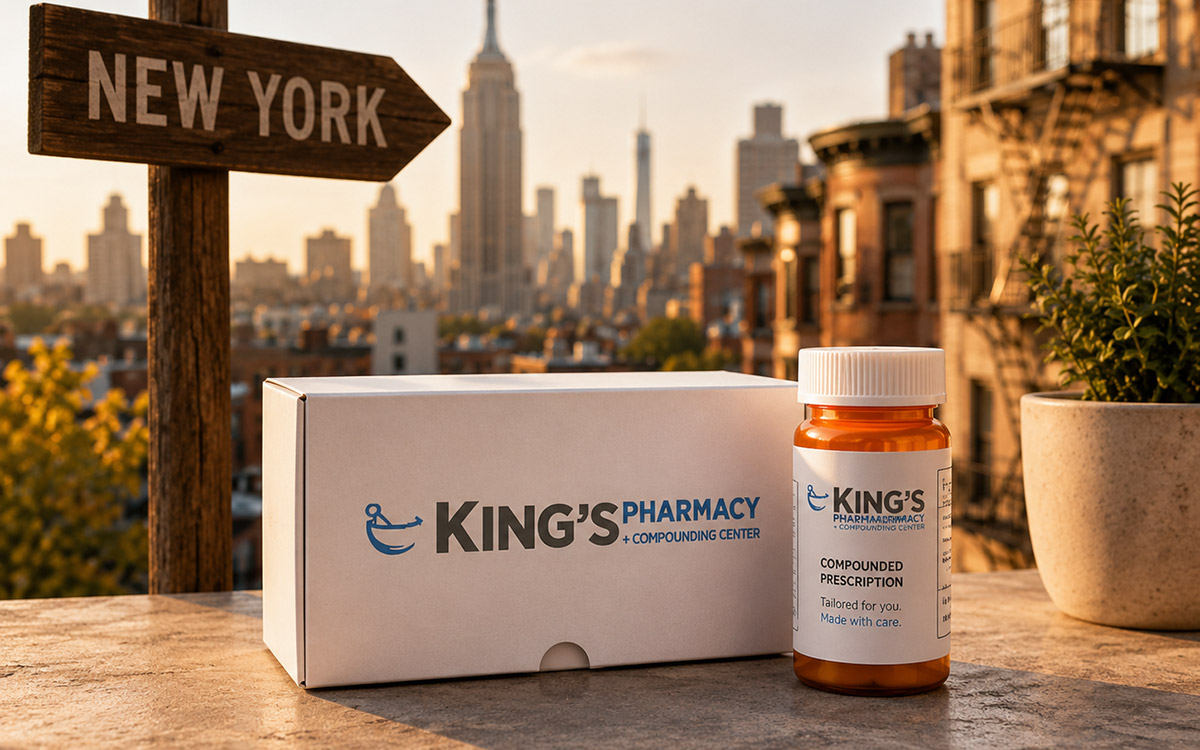
Compounding pharmacies play a significant role in this field by preparing customized hormone formulations tailored to each patient’s needs. King’s Pharmacy and Compounding Center, a multi-state licensed compounding pharmacy in the United States, works with physicians to prepare personalized bioidentical hormone medications that support individualized treatment plans.
Understanding how bioidentical hormone replacement therapy works can help patients and healthcare providers make informed decisions about managing hormone-related health concerns.
Understanding Bioidentical Hormones
Bioidentical hormones are compounds that have the same molecular structure as the hormones naturally produced by the human body. Because they are structurally identical, these hormones are recognized and processed by the body in a way that closely mimics natural hormone activity.
Common bioidentical hormones used in therapy include estrogen, progesterone, testosterone, and dehydroepiandrosterone (DHEA). These hormones play important roles in reproductive health, metabolism, mood regulation, bone health, and cardiovascular function.
Hormone levels can decline for many reasons. For women, menopause and perimenopause are the most common causes of hormonal changes. For men, age-related testosterone decline may lead to symptoms such as fatigue, decreased muscle mass, and reduced libido.
Hormone imbalances may also occur due to certain medical conditions, medications, or surgical procedures that affect hormone-producing glands, such as diabetes, chronic stress, or the use of corticosteroids.
Bioidentical hormone replacement therapy aims to restore hormone levels to a more balanced range, helping the body regain stability and improve overall well-being.
“Hormone balance plays a vital role in physical, emotional, and metabolic health throughout life.”
How Bioidentical Hormone Replacement Therapy Works
Bioidentical hormone replacement therapy works by supplementing hormones that the body is no longer producing at optimal levels. The therapy is typically guided by a healthcare provider who evaluates symptoms, medical history, and laboratory testing to determine the patient’s hormone profile.
Once hormone levels are assessed, a personalized treatment plan can be developed. Physicians may prescribe specific hormones in carefully measured doses to help restore balance.
BHRT medications can be delivered through several methods depending on the patient’s needs and physician recommendations. Common delivery forms include topical creams, capsules, sublingual tablets, troches (lozenges), transdermal gels, and other customized formulations.
Compounding pharmacies can prepare these medications according to precise specifications provided by the physician. This allows for adjustments in hormone strength, dosage, and delivery method that may not be available in commercially manufactured hormone products, such as customizing a patient’s treatment plan to better suit their individual health needs and preferences.
Over time, patients are typically monitored through follow-up appointments and lab testing to evaluate how their body responds to therapy. Dosages may be adjusted periodically to maintain optimal hormone balance.
Why Personalization Matters in Hormone Therapy
Hormone therapy is usually a customized treatment. Every patient has unique hormone levels, metabolic responses, medical histories, and health goals. Because of this complexity, personalized treatment approaches are often essential.
Physicians can prescribe hormone formulations specifically tailored to the patient’s needs through compounding pharmacies. For example, patients may require hormone doses that differ from standard commercially available strengths. Others may benefit from a combination of hormones delivered in a single customized formulation, which can be tailored to meet their specific health needs and improve treatment efficacy.
Personalization can also help address sensitivities or allergies. Some patients may react to certain dyes, preservatives, or fillers used in mass-produced medications. Compounded medications can be prepared without unnecessary additives to reduce the risk of irritation or allergic reactions.
“Personalized hormone therapy allows physicians to adjust treatment according to each patient’s unique physiology and symptoms.”
Who May Benefit From Bioidentical Hormone Therapy
Bioidentical hormone replacement therapy is commonly considered for patients experiencing symptoms related to hormone imbalance. While therapy is often associated with menopause, many other individuals may benefit from hormone evaluation and treatment.
Women experiencing menopause or perimenopause may develop symptoms such as hot flashes, night sweats, mood changes, sleep disturbances, vaginal dryness, and reduced energy levels. Hormone therapy may help alleviate some of these symptoms by restoring estrogen and progesterone levels.
Men experiencing age-related testosterone decline may develop symptoms such as fatigue, reduced muscle mass, decreased motivation, or changes in sexual health. Testosterone replacement therapy may be recommended in certain cases when hormone levels fall below normal ranges.
Some patients with endocrine disorders or medical conditions affecting hormone production may also benefit from hormone replacement therapy under physician supervision.
It is important to note that hormone therapy should always be guided by a qualified healthcare provider who can determine whether treatment is appropriate based on medical history and individual health factors.
The Role of Compounding Pharmacies in BHRT
Compounding pharmacies are a key component in providing personalized hormone therapy. Unlike traditional pharmaceutical manufacturing, compounding allows medications to be prepared according to a physician’s exact prescription.
Pharmacists who specialize in compounding have advanced training in pharmaceutical formulation and preparation. They carefully measure and combine ingredients to produce customized medications in precise strengths and dosage forms.
King’s Pharmacy and Compounding Center works with healthcare providers across the country to prepare personalized hormone therapies that meet specific patient requirements. As a multi-state licensed compounding pharmacy in the United States, they support physicians who are seeking individualized treatment solutions for hormone-related conditions.
Through this collaboration between physicians and pharmacists, patients gain access to therapies that are designed specifically for their physiology and health goals.
FAQs
What is the difference between bioidentical hormones and synthetic hormones?
Bioidentical hormones have the same molecular structure as the hormones naturally produced by the body. Synthetic hormones may have different chemical structures that do not exactly match human hormones, which raises questions about their safety and efficacy compared to bioidentical hormones in hormone replacement therapy.
Is bioidentical hormone replacement therapy safe?
When prescribed and monitored by a qualified healthcare provider, hormone therapy can be used safely for appropriate patients. Treatment decisions should always be based on individual medical evaluation.
How long does it take for bioidentical hormone therapy to work?
Some patients begin noticing symptom improvement within a few weeks, although full effects may take several months depending on the treatment plan and individual response.
Can bioidentical hormone therapy be customized?
Yes. One of the major advantages of BHRT is the ability to customize hormone strength, dosage, and delivery method through a compounding pharmacy.
Conclusion
Bioidentical hormone replacement therapy represents an important advancement in personalized medicine. By using hormones that closely match those naturally produced by the body, BHRT allows physicians to develop individualized treatment plans that address hormone imbalances and support overall health.
Through careful medical evaluation and ongoing monitoring, hormone therapy can help many patients manage symptoms related to menopause, aging, or endocrine disorders. Personalized dosing and delivery methods can further improve treatment effectiveness and patient comfort, particularly by tailoring the therapy to individual hormonal needs and preferences, which can lead to better adherence and outcomes.
King’s Pharmacy and Compounding Center is a multi-state licensed compounding pharmacy in the United States dedicated to supporting physicians and patients through customized medication solutions. Their expertise in pharmaceutical compounding allows healthcare providers to prescribe bioidentical hormone therapies tailored to each patient’s specific needs.
Patients interested in learning more about personalized hormone therapy should speak with their healthcare provider or contact King’s Pharmacy and Compounding Center to explore how customized compounded medications may support their treatment plan.