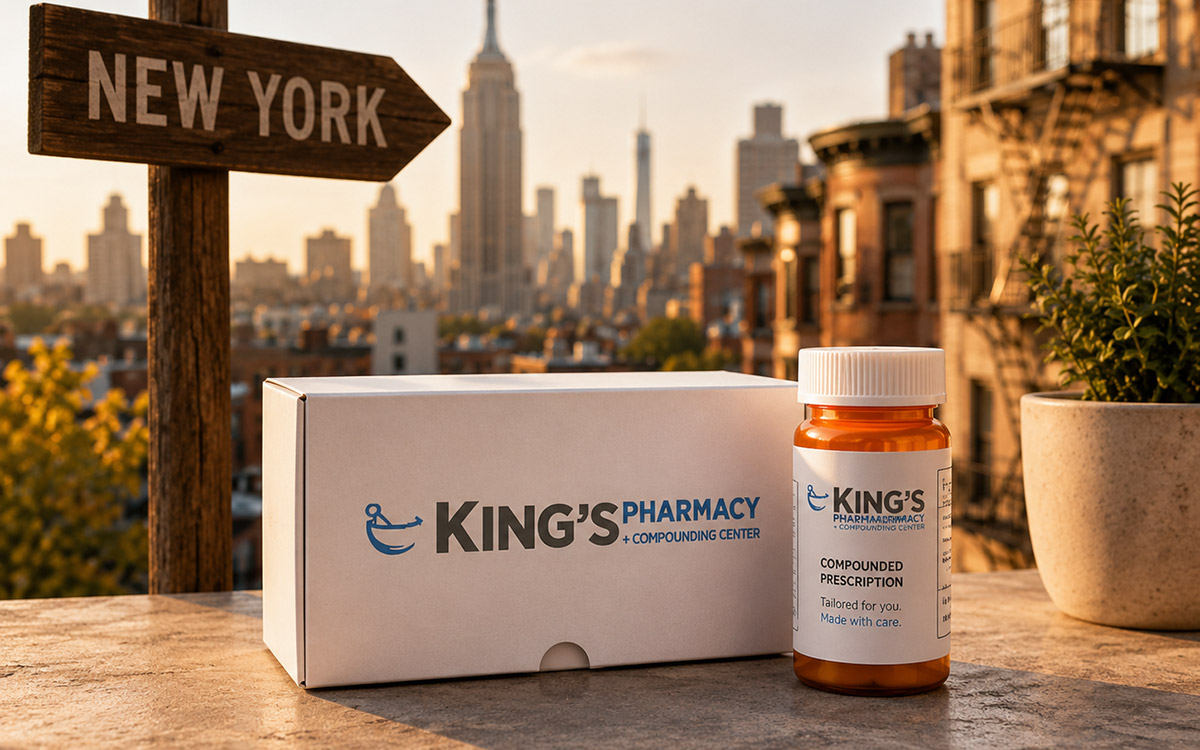
Exploring How Customized Healthcare Approaches Are Transforming the Future of Patient Care.
Healthcare has traditionally followed a one-size-fits-all model. Standardized medications manufactured in fixed dosages have helped millions of people manage acute and chronic conditions. However, as medical understanding advances, healthcare providers increasingly recognize that patients often respond differently to the same treatments. Factors such as age, genetics, allergies, metabolism, lifestyle, and coexisting health conditions can all influence how effective a medication may be for an individual.
This growing awareness has fueled interest in personalized medicine, an approach that focuses on tailoring healthcare strategies to the specific needs of each patient. Rather than relying solely on standardized solutions, personalized medicine aims to provide more individualized treatment options designed to better support patient outcomes and overall well-being.
Compounding pharmacies play an important role in this evolving healthcare landscape by preparing customized medications that address unique patient requirements when commercially available options may not be suitable. As patients and healthcare providers seek more individualized approaches to care, personalized medicine continues to gain momentum across many areas of healthcare.
“Personalized medicine recognizes that every patient is unique, and healthcare solutions may need to reflect those individual differences.”
What Is Personalized Medicine?
Personalized medicine refers to an approach to healthcare that considers the individual characteristics of each patient when making treatment decisions.
Rather than applying identical therapies to every person with the same diagnosis, personalized medicine seeks to account for factors that may influence treatment response.
These factors can include:
- Age and developmental stage
- Body weight and metabolism
- Genetic variations
- Existing medical conditions
- Allergies and sensitivities
- Lifestyle factors
- Personal treatment preferences
- Medication tolerance
The goal is to support healthcare providers in selecting therapies that align more closely with each patient’s unique circumstances.
While personalized medicine often brings to mind advanced genetic testing and precision therapies, it also encompasses practical solutions such as customized medication formulations prepared by compounding pharmacies.
Why Patients Are Seeking More Individualized Care
Several trends have contributed to the increasing popularity of personalized medicine.
Today’s patients often engage more in their healthcare decisions and actively seek treatment approaches that address their specific needs.
Greater Awareness of Individual Differences
Patients increasingly understand that responses to medications can vary significantly.
A medication that works well for one individual may not produce the same results for another due to differences in:
- Absorption rates
- Metabolic pathways
- Sensitivities to inactive ingredients
- Difficulty tolerating standard dosage forms
This awareness encourages discussions about alternative options that may better support individual circumstances.
Growth in Chronic Health Management
Many people now manage multiple chronic conditions simultaneously.
Complex treatment regimens can create challenges related to:
- Medication burden
- Scheduling multiple prescriptions
- Dose adjustments over time
- Long-term adherence
Personalized approaches may help simplify treatment plans and support ongoing management efforts.
Increased Patient Involvement
Patients today often want to participate actively in healthcare decisions.
Many individuals seek the following:
- Collaborative relationships with providers
- Greater understanding of treatment options
- Solutions tailored to their preferences and lifestyles
Personalized medicine aligns with this patient-centered philosophy.
The Role of Compounding Pharmacies in Personalized Medicine
Compounding pharmacies have long provided individualized medication solutions designed to address specific patient needs.
Compounded medications are prepared pursuant to a valid prescription from a licensed healthcare provider.
These customized preparations may offer alternatives when commercially available products do not fully meet a patient’s requirements.
Customized Dosage Strengths
Standard manufactured medications are often available only in limited strengths.
Compounding pharmacists may work with prescribers to prepare:
- Lower strengths
- Intermediate dosages
- Adjusted concentrations
This flexibility may support patients whose needs fall outside commercially available options.
Alternative Dosage Forms
Some patients have difficulty taking traditional tablets or capsules.
Compounding may allow medications to be prepared in alternative forms, such as:
- Oral suspensions
- Topical preparations
- Sublingual formulations
- Suppositories
- Transdermal preparations
Alternative dosage forms may improve convenience for certain patients.
Allergen-Free Formulations
Certain commercially available medications contain inactive ingredients that some patients wish to avoid.
Compounded preparations may be designed without selected ingredients when clinically appropriate and prescribed by a healthcare provider.
Examples may include avoiding:
- Certain dyes
- Preservatives
- Gluten-containing ingredients
- Lactose
- Other specified excipients
“Personalized medicine extends beyond selecting a medication. It also considers how that medication is prepared and delivered to meet an individual’s needs.”
Areas Where Personalized Medicine Is Expanding
Personalized medicine continues to evolve across multiple areas of healthcare.
Hormone Health
Healthcare providers increasingly recognize the importance of individualized approaches when addressing hormone-related concerns.
Personalized hormone therapies may involve consideration of factors such as:
- Symptom presentation
- Laboratory findings
- Treatment goals
- Ongoing monitoring needs
Compounding may provide additional flexibility in preparing customized formulations when prescribed.
Pediatric Care
Children often require medication approaches that differ from those used for adults.
Personalized solutions may address:
- Weight-based dosing needs
- Flavor preferences
- Alternative dosage forms
- Difficulty swallowing tablets
These accommodations may help support successful treatment experiences.
Geriatric Care
Older adults frequently manage multiple medications and changing healthcare needs.
Personalized strategies may help address:
- Dose adjustments
- Swallowing difficulties
- Medication simplification efforts
- Sensitivities to ingredients
Patients With Ingredient Sensitivities
Individuals with known allergies or sensitivities may benefit from discussions with healthcare providers regarding alternative formulations.
Compounding may offer options tailored to those considerations when appropriate.
Benefits Driving the Growth of Personalized Medicine
Several potential advantages continue to fuel interest in individualized healthcare approaches.
Improved Patient Experience
When treatment plans align with individual preferences and circumstances, patients may feel more empowered and engaged in their care.
Patient-centered approaches often encourage:
- Better communication with providers
- Greater understanding of treatment goals
- Increased satisfaction with care experiences
Enhanced Treatment Flexibility
Personalized medicine provides healthcare teams with additional tools to address unique situations.
Flexibility may be particularly valuable when standard options do not adequately meet patient needs.
Support for Long-Term Care Management
Many chronic conditions require ongoing adjustments over time.
Personalized approaches recognize that treatment needs may evolve and encourage regular reassessment.
Collaboration Between Providers and Pharmacists
Compounding pharmacists often work closely with prescribing providers to help identify appropriate customized solutions.
This collaborative model supports individualized patient care planning.
Frequently Asked Questions
What is personalized medicine?
Personalized medicine is an approach to healthcare that considers individual patient characteristics when developing treatment plans and therapeutic strategies.
Are compounded medications personalized?
Compounded medications are customized preparations created pursuant to a healthcare provider’s prescription to address specific patient needs.
Is personalized medicine only based on genetics?
No. Personalized medicine encompasses many factors, including age, allergies, lifestyle considerations, medication preferences, and other patient-specific characteristics.
Who may benefit from personalized medication options?
Patients with allergies, difficulty swallowing medications, unique dosage requirements, pediatric needs, or other individualized considerations may discuss personalized options with their healthcare providers.
The Future of Individualized Healthcare
As healthcare continues to evolve, personalized medicine is becoming an increasingly important component of patient-centered care. Growing recognition of individual differences has encouraged healthcare providers and patients alike to explore treatment approaches that better align with specific needs, preferences, and circumstances.
Compounding pharmacies contribute to this movement by offering customized medication solutions prescribed by healthcare providers when commercially available products may not be appropriate for certain patients. Through collaboration among patients, prescribers, and pharmacists, personalized medicine continues to expand opportunities for individualized care.
If you would like to learn more about customized medication options, King’s Pharmacy & Compounding Center is committed to working alongside patients and healthcare providers to support individualized treatment needs. Contact King’s Pharmacy today to discuss how personalized compounding solutions may help address unique healthcare considerations.